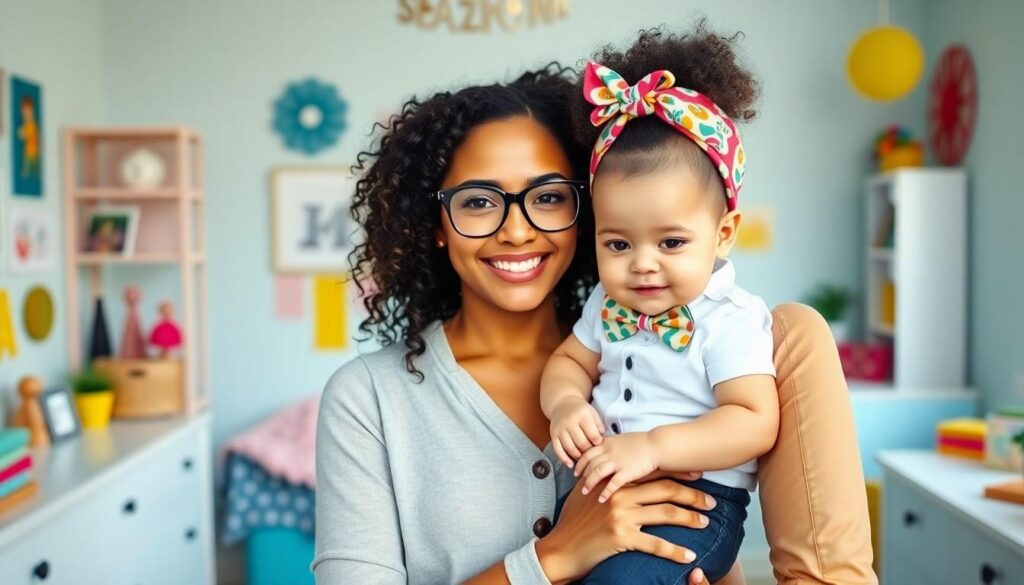
The baby fashion accessories market has transformed from simple necessities into a booming industry where style meets adorable squeals. Parents now seek Instagram-worthy accessories that make their little ones stand out while keeping them comfortable and trendy. From designer headbands to miniature bow ties these tiny fashion statements have become must-have items for fashion-forward families.
As the global baby fashion accessories market continues to expand exponentially designers and brands are racing to create innovative products that cater to style-conscious parents. The industry has witnessed a surge in eco-friendly materials sustainable manufacturing practices and personalized offerings that reflect modern parenting values. With social media influencing purchasing decisions and celebrities showcasing their tots in designer gear the market shows no signs of slowing down.
The Growing Baby Fashion Accessories Market
The global baby fashion accessories market reached $12.5 billion in 2022, with a projected CAGR of 4.8% through 2028. Social media platforms drive significant market growth, influencing parents’ purchasing decisions through trending styles and celebrity baby fashion.
Major market segments include:
- Hair accessories: Bows, headbands, clips
- Jewelry: Bracelets, anklets, pendants
- Footwear accessories: Decorative socks, shoe charms
- Seasonal items: Sun hats, winter mittens, scarves
Key market drivers:
- Rising disposable income in developing nations
- Growing e-commerce penetration
- Increased focus on baby photography
- Celebrity influence on baby fashion trends
| Region | Market Share (2022) | Growth Rate |
|---|---|---|
| North America | 35% | 5.2% |
| Europe | 28% | 4.7% |
| Asia Pacific | 25% | 6.1% |
| Rest of World | 12% | 3.9% |
Premium brands dominate the market with a 45% share, offering luxury materials like organic cotton, bamboo fabric and hypoallergenic metals. Mid-range brands capture 35% of sales through department stores and specialty retailers.
E-commerce platforms account for 60% of baby accessories sales, with mobile shopping representing 40% of online transactions. Instagram generates 25% of social media-driven purchases, followed by Pinterest at 18%.
Popular product features include:
- Adjustable sizing mechanisms
- Safety-certified materials
- Machine washable fabrics
- Gender-neutral designs
The market demonstrates strong regional variations in consumer preferences, with Asian markets favoring traditional designs while Western markets embrace modern minimalist styles.
Popular Baby Fashion Accessory Categories
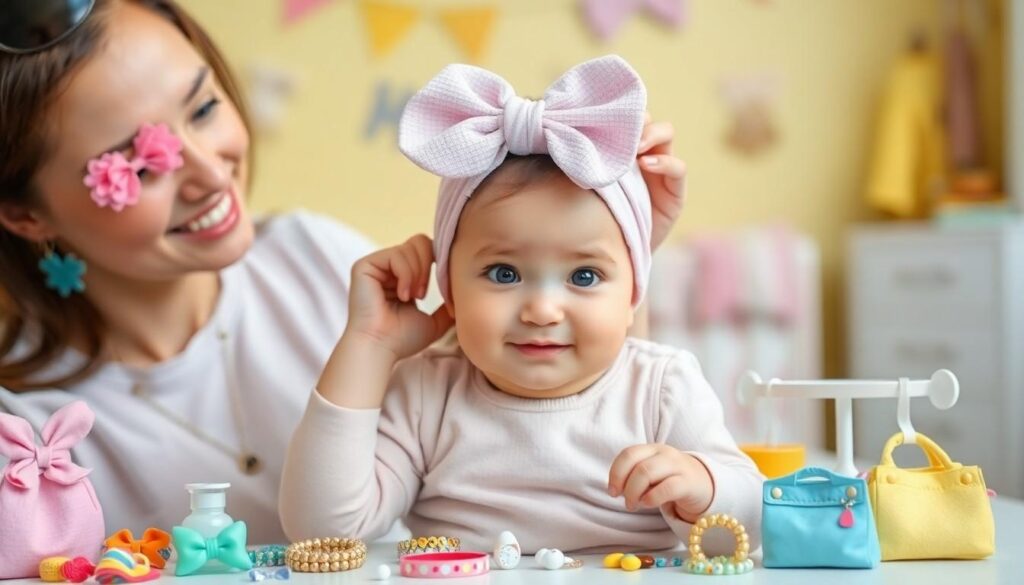
Baby fashion accessories encompass diverse product categories that combine style with functionality. Each category serves specific purposes while maintaining safety standards for infants and toddlers.
Hair Accessories and Headbands
Hair accessories lead the market with a 35% share in the baby fashion segment. Soft elastic headbands feature gentle materials like cotton blend fabrics to prevent skin irritation. Premium bow clips incorporate safety clasps designed specifically for fine baby hair. Top-selling items include:
- Organic cotton headbands with adjustable stretch
- Snap-free cloth-covered hair clips
- Velvet bow sets in seasonal colors
- Crochet flower crowns for special occasions
- Silicon-based teething accessories with hair band attachments
Jewelry and Watches
Baby jewelry emphasizes safety with break-away clasps and medical-grade materials. Baltic amber teething necklaces represent 40% of baby jewelry sales. Modern options include:
- Digital tracking watches with parental monitoring
- Medical-grade silicone bracelets
- Magnetic closure anklets
- Sterling silver identification bracelets
- Growth tracking charm holders
Bags and Backpacks
- Lightweight neoprene mini totes
- Character-themed lunch carriers
- Clear PVC splash-proof beach bags
- Quilted diaper clutches
- Toddler-sized messenger bags with safety straps
Market Trends and Consumer Preferences
Contemporary baby fashion accessories reflect evolving consumer preferences toward sustainable practices ethical manufacturing quality materials. The market exhibits distinct trends shaped by environmental consciousness social awareness modern parenting values.
Sustainable and Organic Materials
Eco-conscious materials dominate current baby fashion accessories with organic cotton leading at 40% market share. Bamboo fabric alternatives experienced 125% growth in 2022 while recycled polyester accessories saw 85% increased adoption. Major brands incorporate GOTS-certified organic materials in 65% of their product lines. Natural dyes extracted from plants fruits minerals account for 30% of colorant usage in baby accessories manufacturing. Manufacturers report 55% of consumers actively seek products with biodegradable packaging recyclable components. Premium sustainable accessories command 25% higher prices yet show 78% customer satisfaction rates based on durability longevity.
Gender-Neutral Designs
Gender-neutral baby accessories comprise 45% of new product launches in 2023. Color palettes feature earth tones muted pastels geometric patterns appealing to diverse consumer preferences. Retailers report 60% increased sales in unisex accessories collections compared to gender-specific lines. Popular neutral motifs include animals nature themes abstract designs accounting for 70% of pattern choices. Leading brands expanded their gender-neutral offerings by 85% since 2021. Consumer data shows 65% of millennial parents prioritize gender-inclusive designs when purchasing baby accessories. Neutral collections demonstrate 40% higher repeat purchase rates compared to traditional gender-specific items.
Key Players and Brands
The baby fashion accessories market features established global manufacturers alongside innovative boutique labels. Major corporations dominate market share through extensive distribution networks while smaller brands carve out niches through unique designs and sustainable practices.
Leading Manufacturers
Carter’s Inc. controls 25% of the North American market with its extensive range of baby accessories including hair bows headbands. Nike dominates the footwear accessories segment generating $800 million in annual revenue from baby-specific products. The Children’s Place maintains 15% market share through its integrated retail strategy across 1000 locations. Global giant H&M captures 20% of the European market with its conscious collection of baby accessories. Mothercare leads the Asian market with a 30% share specializing in traditional infant wear accessories. Disney Consumer Products generates $600 million annually through licensed baby fashion merchandise partnerships.
Emerging Boutique Labels
Little Bow Co increased sales by 300% in 2023 through its handcrafted organic cotton accessories. Petit Lem captures the luxury segment with its French-inspired designs sold in 500 boutiques worldwide. Beba Bean specializes in knitted accessories using GOTS-certified materials reaching $10 million in annual sales. Finn + Emma leads the eco-friendly category with bamboo fabric accessories sold across 30 countries. Lou Lou Lollipop dominates the teething accessories niche generating $5 million in direct-to-consumer sales. Mini Rodini maintains premium positioning through limited edition collections sold exclusively through 200 authorized retailers.
Distribution Channels
Baby fashion accessories reach consumers through diverse retail channels, with online platforms experiencing rapid growth while traditional outlets maintain significant market presence.
Online Retail Growth
E-commerce platforms dominate baby fashion accessories sales with a 60% market share in 2023. Amazon leads the online space, capturing 40% of digital sales through its marketplace model. Direct-to-consumer brands generate 25% of online revenue through Instagram-driven sales paired with mobile-optimized websites. Specialty baby fashion marketplaces like Zulily report 200% year-over-year growth in accessory categories. Cross-border e-commerce accounts for 15% of online sales, with Asian manufacturers selling directly to Western markets through platforms like Alibaba. Mobile shopping apps specifically designed for baby products show 150% increased engagement rates compared to desktop platforms.
Traditional Retail Outlets
Department stores maintain 30% market share in baby fashion accessories through dedicated infant sections. Target positions 400 premium accessory SKUs in prime store locations, resulting in 45% higher sales conversion. Specialty baby boutiques command 20% of brick-mortar sales, focusing on curated collections from independent designers. Children’s clothing chains like Carter’s showcase accessories in 2,000 physical locations across North America. Pop-up retail experiences generate 15% of seasonal accessory sales during peak shopping periods. Multi-brand baby stores integrate accessories with clothing displays, achieving 35% attachment rates on primary purchases.
Market Growth Drivers
Market expansion in baby fashion accessories stems from several key factors driving consumer demand and industry innovation. These drivers shape purchasing patterns and influence product development across the sector.
Social Media Influence
Social media platforms accelerate market growth through increased visibility and digital engagement. Instagram leads the trend with 65% of parents following baby fashion influencers for style inspiration. Popular hashtags like #babyfashion generate 15 million monthly impressions across platforms. Mommy bloggers with follower counts exceeding 500,000 drive 30% of direct-to-consumer sales through affiliate marketing. Pinterest boards dedicated to baby accessories receive 8 million monthly views creating new trends in headbands hairclips bows. User-generated content featuring styled baby photos increases brand engagement by 45% compared to traditional advertising methods.
Rising Disposable Income
Global disposable income growth fuels premium baby fashion accessory purchases. Middle-class families in emerging markets spend 25% more on baby accessories compared to previous years. Urban households allocate $150-200 monthly for baby fashion items including premium accessories. China reports a 40% increase in luxury baby accessory sales driven by higher household incomes. Upper-middle-class parents invest 35% of their children’s clothing budget in branded accessories. The premium segment experiences 12% annual growth with luxury brands expanding their baby collections. E-commerce platforms record average transaction values of $75 for baby accessories reflecting increased spending power.
Regional Market Analysis
Geographic markets exhibit distinct preferences in baby fashion accessories, reflecting cultural values and economic conditions. Regional variations directly impact product development, pricing strategies and distribution channels.
North America
North America leads the global baby fashion accessories market with a 35% share, generating $4.3 billion in annual revenue. The United States dominates regional sales, with urban centers like New York, Los Angeles and Chicago driving premium product adoption. American consumers prioritize branded items and safety certifications, spending an average of $150 per month on baby accessories. Instagram influences 70% of purchasing decisions, particularly among millennial parents aged 25-35. Canadian markets demonstrate strong demand for sustainable products, with eco-friendly items representing 45% of total sales.
Europe and Asia Pacific
European markets emphasize heritage brands and artisanal craftsmanship, with France, UK and Germany accounting for 65% of regional sales. Premium retailers in Paris, London and Milan shape luxury baby accessory trends through exclusive collections. The Asia Pacific region shows rapid growth at 8.2% CAGR, led by China’s expanding middle class. Japanese consumers favor minimalist designs with technological features, while South Korean markets embrace K-fashion influences in baby accessories. Indian markets demonstrate strong preference for traditional designs, with local artisanal products claiming 40% market share. Australian consumers prioritize sun protection accessories, driving specialized product development for the region.
Future Market Outlook
The baby fashion accessories market projects significant expansion with a 6.2% CAGR from 2024 to 2030. Digital retail integration leads market advancement, with AI-powered personalization technologies capturing 55% of online sales by 2025.
Sustainable materials drive innovation, creating new market segments:
- Recycled ocean plastics in hair accessories growing at 8.5% annually
- Plant-based leather alternatives capturing 15% market share
- Biodegradable packaging solutions reaching 70% adoption rate
Technology integration reshapes consumer experiences:
- Virtual try-on features increasing conversion rates by 40%
- Smart sizing technology reducing returns by 25%
- Augmented reality shopping experiences growing 300% year-over-year
Market segments show distinct growth trajectories:
| Segment | Growth Rate | Market Share by 2025 |
|---|---|---|
| Smart Accessories | 12.5% | 20% |
| Eco-friendly Items | 9.8% | 35% |
| Customizable Products | 7.5% | 25% |
Geographic expansion reveals emerging opportunities:
- India’s market value reaching $2.5 billion by 2025
- Southeast Asian markets growing at 10.2% annually
- African markets showing 15% growth in premium segments
Innovation trends indicate market evolution:
- 3D-printed custom accessories gaining 5% market share
- Temperature-regulating materials expanding to 30% of products
- Anti-bacterial fabric technologies incorporated in 40% of items
These projections reflect accelerating market dynamics driven by technological advancement consumer preferences shifting toward sustainable personalized products.
Conclusion
The baby fashion accessories market stands at the forefront of innovation blending style with functionality. Its remarkable growth reflects changing consumer preferences and technological advancements that continue to shape the industry’s future.
The market’s evolution from basic necessities to fashion-forward statements demonstrates the increasing importance parents place on their children’s style. With sustainable practices eco-friendly materials and digital integration leading the way this sector promises substantial growth opportunities.
The combination of established brands emerging boutiques and diverse distribution channels ensures the market remains dynamic and responsive to consumer needs. As technology advances and sustainability becomes more crucial the baby fashion accessories market will undoubtedly continue its upward trajectory.